Insider Notes
Why the green season is a buyer’s edge.
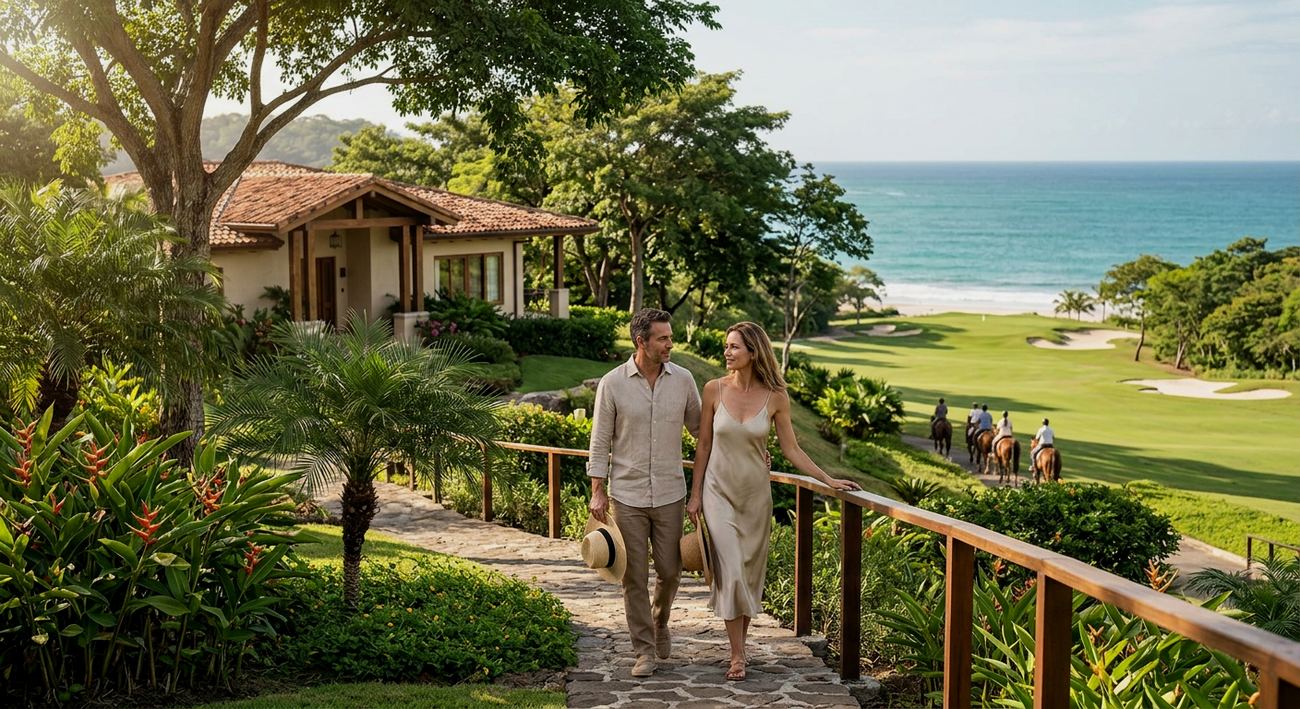
The rains return to Guanacaste around May and run through November — what locals call the green season. Almost every buyer plans their scouting trip for the dry, postcard-perfect high season instead, December through April. We often suggest the opposite. Some of the best-informed purchases we’ve helped with happened in the green months, and not by accident.
You see the property honestly
Dry-season sun hides the things green season reveals. How does the road to the house handle a real downpour? Does the lot drain, or does water pool against the foundation? What does that “ocean view” look like under cloud, and how does the humidity feel inside? Buying a place you’ve only met in flawless February light is exactly how surprises happen later — the kind behind stories like the ocean view that didn’t last. A rainy-day visit is the cheapest due diligence there is.
Watch for the quiet tells, too: water stains near a ceiling line, a musty note in a closed room, a generator that hints the power flickers, or a cistern that suggests the area runs on a well or trucked water rather than reliable municipal supply. On the more remote lots — the secluded jungle parcel, the ridge with the big view — the unpaved access road is the single biggest variable, and the green season is the only time you’ll see how it truly behaves when it matters.
Less competition, more attention
Fewer buyers on the ground means more of everything that counts: more time to walk a property twice, more candid answers, less pressure to decide on the spot, and occasionally a more motivated seller who didn’t transact over the busy season. The market doesn’t disappear in the green months — it just gets quieter, and quiet favors the careful buyer.
It’s greener than you think — and not a washout
Green season isn’t monsoon. A typical day is a sunny morning, an afternoon shower, and hillsides that turn brilliant green after months of brown. Crowds thin and rates drop. For some areas it’s actually the best season: Nosara and the surf-driven south see their most consistent swell now, while Sámara’s reef-protected bay stays swimmable year-round. If you’re weighing those two, our Sámara vs Nosara comparison lays out how differently they handle the wet months.
Seller psychology shifts, too
Inventory thins a little in the green months, but the listings that do sit through the quiet season are often the ones worth a second look — a seller who has carried a property through a slow summer is, more often than not, ready to have a real conversation. You trade a bit of selection for a lot of negotiating calm. For most of the buyers we represent, that’s a trade worth making.
What it tells you about rental income
If you’re buying for income, the green season is the honest test. Short-term occupancy and nightly rates step down from May to November, and that softer half of the year — not the high-season peak — is what actually decides your annual yield. Model both seasons before you commit: run two areas through the rental income estimator and pressure-test the monthly carry on the cost-of-living calculator. A property that only pencils out in February isn’t an investment — it’s a bet on perfect weather.
Our advice
If you can visit in both seasons, do. If you can only make one trip, the green season is the more revealing of the two — you learn more about a property in one good rain than in a week of sunshine. The buying mechanics don’t change with the weather; our buying guide walks the same process either way, and the interactive Insider Map is the easiest place to start narrowing towns. When you’re ready for a read on a specific area or property, book a free consultation — rain or shine.