Insider Notes
The four infrastructure checks that make or break a purchase.
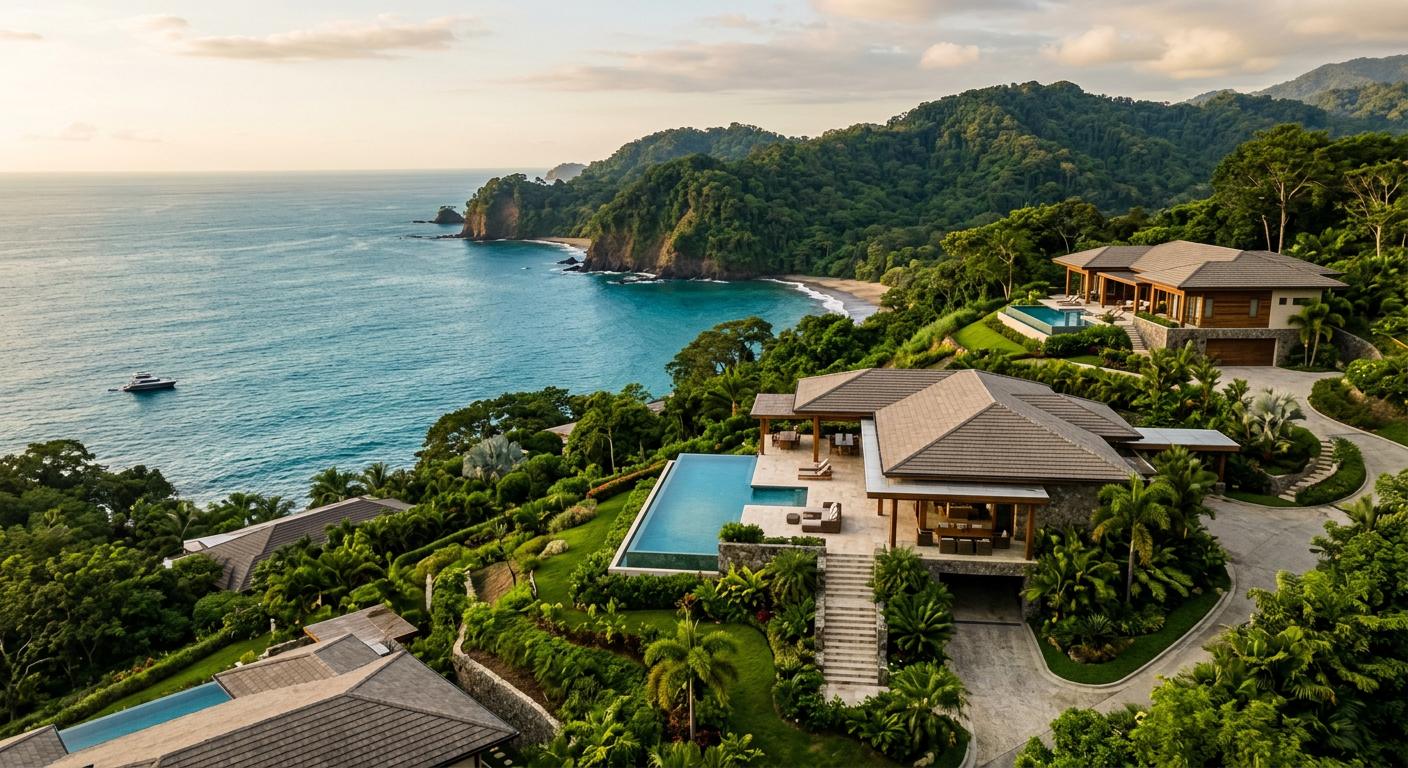
The view sells the house. The infrastructure decides whether you actually enjoy it. After representing buyers on this coast for years, we’ve learned that the gap between a great purchase and a slow headache is rarely the finish level or the price per square meter — it’s four unglamorous questions about water, access, power and connectivity. A property can photograph beautifully and still fail every one of them. Here is the checklist we run before a client signs anything.
1. Water — the check that can void the whole deal
In Guanacaste, water is the first question, not the last. What you want to see is a letter of water availability — a carta de disponibilidad de agua from the local ASADA (the community water association) or from the national utility, AyA. Without legal, documented water, a lot generally cannot obtain a construction permit, no matter how good it looks. Some properties instead run on a private well, which requires its own concession from the water authority, and others rely on trucked water and a cistern. None of those are automatically deal-breakers — but each changes what you own and what you’ll pay to keep the taps running. This region also feels the dry season (roughly February to April) more than the rest of the country, so confirm not just that water exists, but that the supply is reliable when it’s stressed.
2. Access — can you legally and physically reach it?
Two separate questions hide inside “access.” The first is legal: does the lot front a public road, or does it depend on a registered easement — a servidumbre — across a neighbor’s land? Informal or landlocked access is one of the most expensive surprises a buyer can inherit. The second is physical: how does the road actually behave? A steep, unpaved road that’s fine in March can become a genuine problem in October, which is exactly why we tell buyers to see a property in the rains — more on that in our note on why the green season is a buyer’s edge. On the more remote parcels — the ridge lot with the big view, the secluded jungle acre — the access road is usually the single biggest variable in the entire purchase.
3. Power — is service at the property, or somewhere down the hill?
Grid electricity comes from ICE and is generally dependable in and around the established towns. The catch is distance. On a remote or elevated lot, the meaningful question isn’t whether power exists in the area — it’s how far the nearest connection point is and what it costs to bring service to the building site, which on a far parcel can be a real number. Storm-season outages happen anywhere, so it’s worth asking whether a home has surge protection or backup, and treating a permanent generator as a hint about how often the lights actually flicker.
4. Internet — confirm it at the pin, not the town
For the remote workers and part-year residents who make up a growing share of the buyers we represent, connectivity is not a footnote. Fiber is now common in and immediately around the main hubs — the Tamarindo area, Playas del Coco, the Flamingo corridor, and the core of Nosara. Step off those serviced streets and you may be looking at fixed wireless or a satellite service like Starlink. The rule we give every client is the same: verify the actual connection at the exact address, not what the town is reported to have. Coverage can change street by street.
How this maps to place
Infrastructure quality tracks closely with how established a town is. Full-service coastal hubs carry a stronger baseline — municipal water, paved access, fiber — while a quiet ridge lot trades some of that for privacy and a view. That trade-off is real and worth pricing in: a value-focused, full-service town like Coco and a calmer, more spread-out area sit at different points on the curve. If you’re weighing two shortlisted areas, a side-by-side like our Flamingo vs Potrero comparison shows how the same coastline can differ in services and pace, and the interactive Insider Map is the fastest way to see where the built-up corridors actually are.
Budget the true carrying cost
Every gap on this checklist has a price, and most of them recur. A well pump, a backup power setup, or a monthly satellite-internet plan are line items, not one-time fixes — so model them before you commit, not after. Pressure-test the real monthly number on the cost-of-living calculator, and if you’re buying for income, remember that reliable internet is now something guests expect: factor it in when you run the rental income estimator. Skipping these checks is how buyers end up in situations like the ones who chose a neighborhood they never visited — charmed by the listing, blindsided by the daily reality.
Our advice
Don’t let the view outrun the infrastructure. Get the water letter in writing, walk the access road, confirm power and internet at the property pin — and only then let yourself fall for the place. The formal purchase mechanics, from the registry check to the plano catastrado survey, are the same wherever you land; our buying guide walks the full process, and the relocation guide covers the day-to-day side of settling in. When you want a candid read on a specific area or property, book a free consultation — we’ll tell you what the photos won’t.